
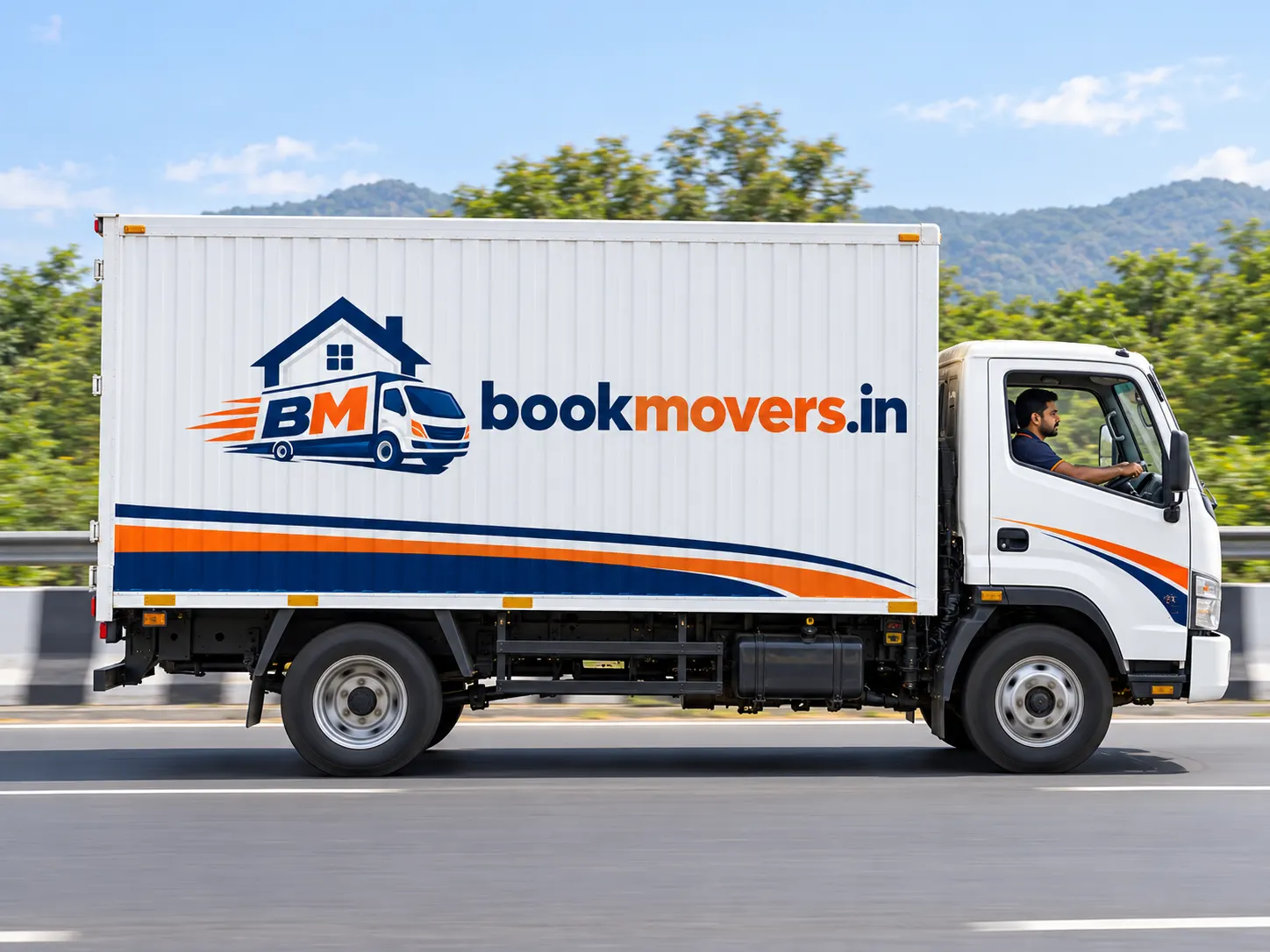
Intercity moves add distance, state borders and more days in transit, so the details on the quote matter more: the vehicle, whether it is dedicated to your goods or shared, the expected delivery date and the transit protection.
Our team takes your requirement and shares it with one verified mover who serves your route. You receive a written quote and, once the goods are on the road, updates on WhatsApp as each stage is confirmed.
What's usually included
- Full packing suited to long-distance transit
- Loading, transport and unloading at the destination
- Choice of dedicated or shared vehicle, as quoted
- Risk coverage options, with terms on the quote
- Consignment ID and WhatsApp updates through the journey
The exact scope is on the mover's written quote.
How to prepare
- Decide on a dedicated or shared truck — it changes the price and the date
- Keep the packing list, quote and ID handy for border checks
- Arrange society permissions at both ends
- If your employer reimburses the move, check what invoice details they need
 Illustration
How an intercity move works
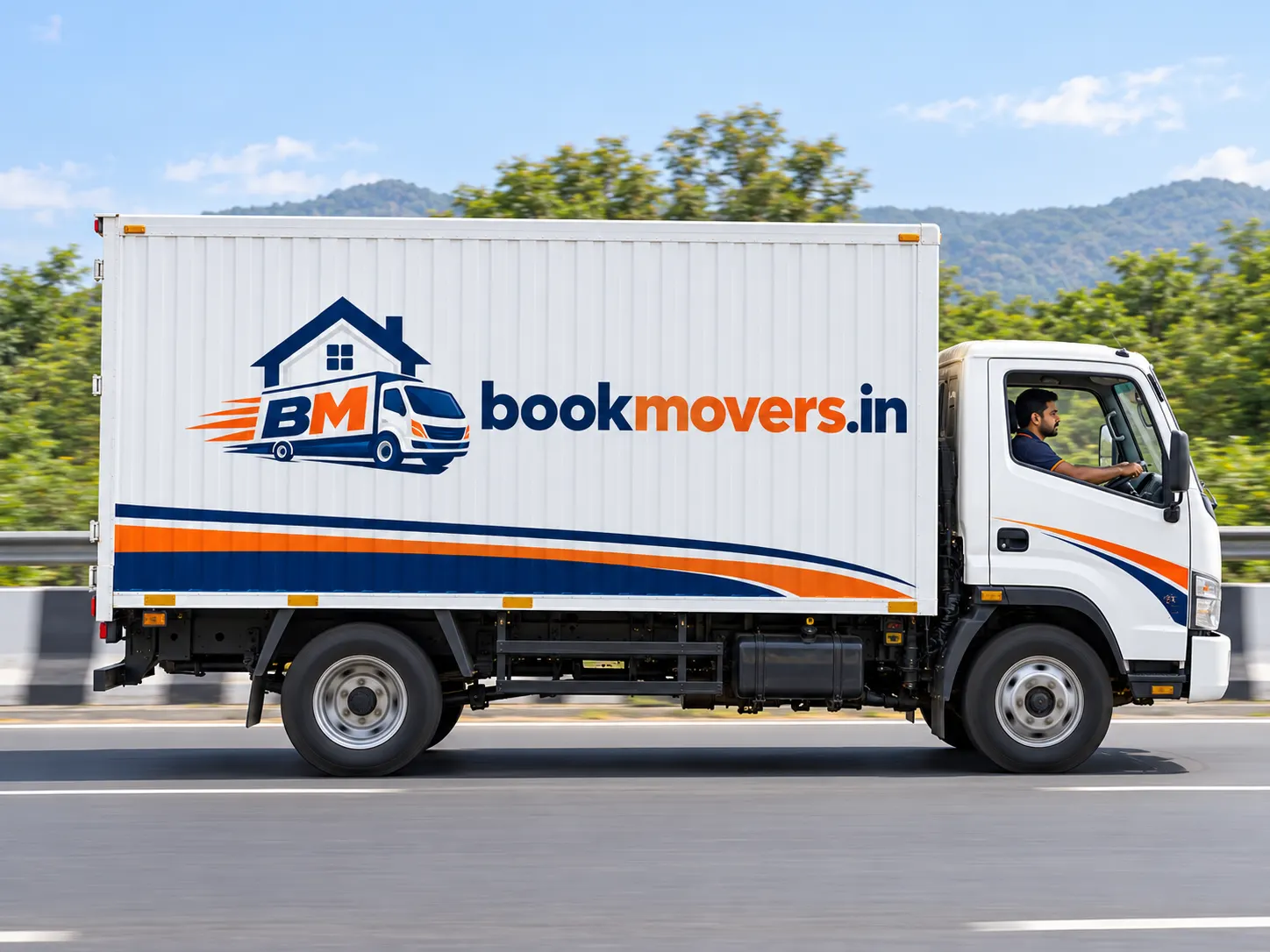
An intercity move usually has four stages: packing, often on a separate day for larger homes; loading, ideally timed for your building's rules; transit, which can take from a day to over a week depending on distance and the type of truck; and delivery, with unloading and placement at the new home. Each stage should be described on the written quote.
Our route guides cover the most common routes between the cities we serve, including what to plan for at each end and on the road.
Why delivery dates can slip
Long-distance trucks share the road with weather, traffic, checkposts and other customers' goods. Heavy rain on ghat sections, winter fog in the north, festival traffic and, for shared loads, other pickups and drops can all add time. A good mover tells you the expected date honestly and keeps you updated if it changes.
Plan for some slack. Don't book a non-refundable hotel for exactly one night, or schedule a joining date the morning after the expected delivery. Ask the mover what happens if the date slips and how they'll tell you.
Packing for a long journey
Goods on a long route are loaded, travel for days and may be unloaded and reloaded if the truck is shared. Packing needs to cope with that: double-walled cartons for kitchenware and books, stretch wrap and corner guards for furniture, bubble wrap and cartons for TVs and monitors, and plastic over everything in the monsoon.
Ask what materials the mover plans to use and whether a separate packing day is included. Check the inventory while cartons are still open, and keep your copy for delivery.
Insurance and claims
Risk coverage protects goods against certain risks during the journey, on the terms in the policy. Ask what it covers, what it excludes, how the value of your goods is declared and what it costs. These details should be on the written quote.
If something arrives damaged, note it on the delivery receipt with photos before signing, and tell the mover and our team the same day. Claims are much easier with a clear inventory, pickup photos and a signed note of the damage at delivery.
Crossing state borders
Most intercity moves cross at least one state border. The mover carries the transport documents for the goods. Keep your own copy of the packing list and invoice handy, and your ID, in case they're asked for. Some states have their own rules on particular goods; Gujarat, for example, is a dry state, so leave alcohol out of your boxes.
If you're moving a vehicle to another state, ask the transport department in your new state about re-registration. That's separate from moving the vehicle itself.
Where you'll stay in between
On a long route, you'll often arrive before your goods. Plan where you'll stay and what you'll need for those days: clothes for the destination's weather, documents, chargers, medicines, some kitchen basics and bedding if you're moving straight into the empty home.
If your new home won't be ready when the truck arrives, ask the mover early whether they offer storage, and get the cost and terms in writing. It's cheaper to plan storage than to pay for a truck to wait.
Every mover is checked before they work with us
- Office visited in person
- Godown or storage facility visited, where applicable
- GST details checked
- Customer references called
- General operating setup reviewed
Questions about intercity shifting
What's the difference between a dedicated and a shared truck?
A dedicated truck carries only your goods and usually reaches sooner. A shared truck combines loads going the same way, which can cost less but may take longer. Ask for the expected delivery date in writing either way.
Can I move my car or bike along with the household goods?
Yes, vehicles are usually moved on a separate carrier or secured in a suitable truck. Mention them early so they're planned and listed on the quote.
How do I know where my goods are?
You get a consignment ID. Our team confirms each stage — loaded, in transit, out for delivery — and you see it on WhatsApp and on the tracking page.
How can I reduce the cost of an intercity move?
Move less: sell or give away what you won't use. A shared truck can also cost less, though it may take longer.
What documents should I keep with me?
Your copy of the packing list and invoice, your ID, and the mover's contact details.
Can my goods be stored if the new home isn't ready?
Ask the mover. If they offer storage, get the cost, insurance and access terms written on the quote.
Should I fly or drive to the new city?
Whichever suits you, but plan to arrive before the expected delivery date so someone is there to receive the goods.
Will my goods be unloaded on the way?
On a shared load they may be moved between vehicles or stops. Ask the mover how your goods are kept together and labelled.